December to February — Warm, Clear & Excellent for Trekking
The period from December to February is one of the most popular times to climb Kilimanjaro.
The mountain is generally relatively dry, with clear skies providing beautiful views across the surrounding landscapes. Days on the lower slopes can be pleasantly warm, while temperatures drop significantly as you gain altitude.
This period can be particularly appealing if you want:
Generally dry trekking conditions
Clear mountain views
A good chance of seeing the summit in clear weather
A classic Kilimanjaro experience during the holiday season
A balance between favourable weather and the busier summer period
January and February are particularly popular, so booking ahead is recommended.
Best for:
Clear views, favourable weather and a classic Kilimanjaro climb.
March — A Transition Month
March marks the transition toward the long rainy season.
Early March can still offer relatively good trekking conditions, while rainfall generally becomes more frequent later in the month.
If your travel dates are flexible, early March can be worth considering, particularly if you want to avoid some of the busiest periods while still benefiting from the end of the dry season.
Best for:
Flexible trekkers looking for a quieter alternative to the peak dry-season months.
April & May — The Long Rains
April and May are traditionally the wettest months on Kilimanjaro.
TANAPA identifies March to May as the main wet season, with heavy rainfall around the mountain.
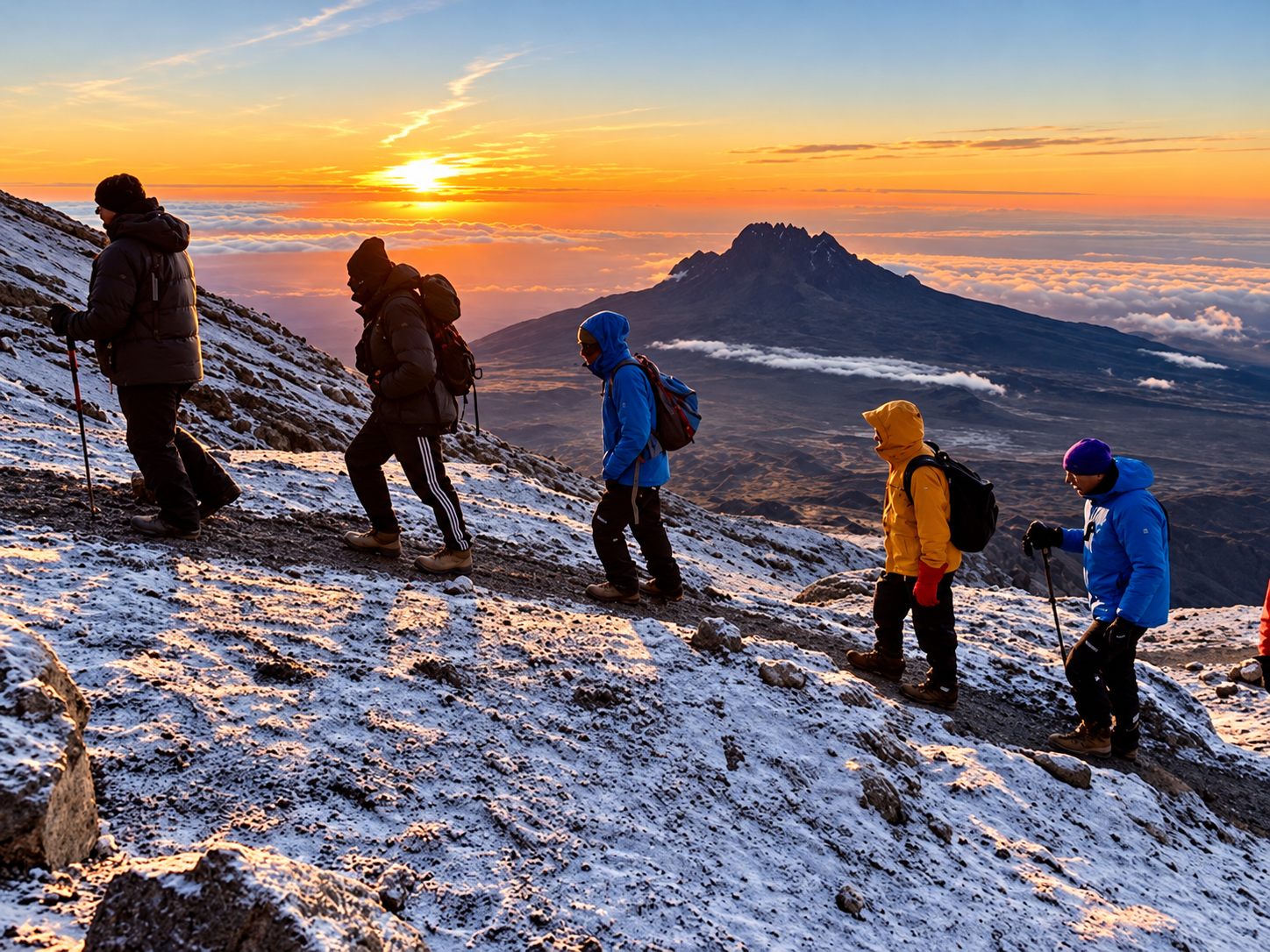
Rain can make the lower sections of the trails muddy and can result in cloudier conditions and reduced visibility. Higher on the mountain, precipitation can fall as snow.
That said, climbing Kilimanjaro during this period is possible with appropriate clothing, equipment and preparation. TANAPA notes that the mountain can be climbed even during the rainy periods.
The potential advantages are quieter trails and a more solitary mountain experience.
Best for:
Experienced or flexible trekkers who don't mind wet conditions and want a quieter experience.
June — The Start of the Dry Season
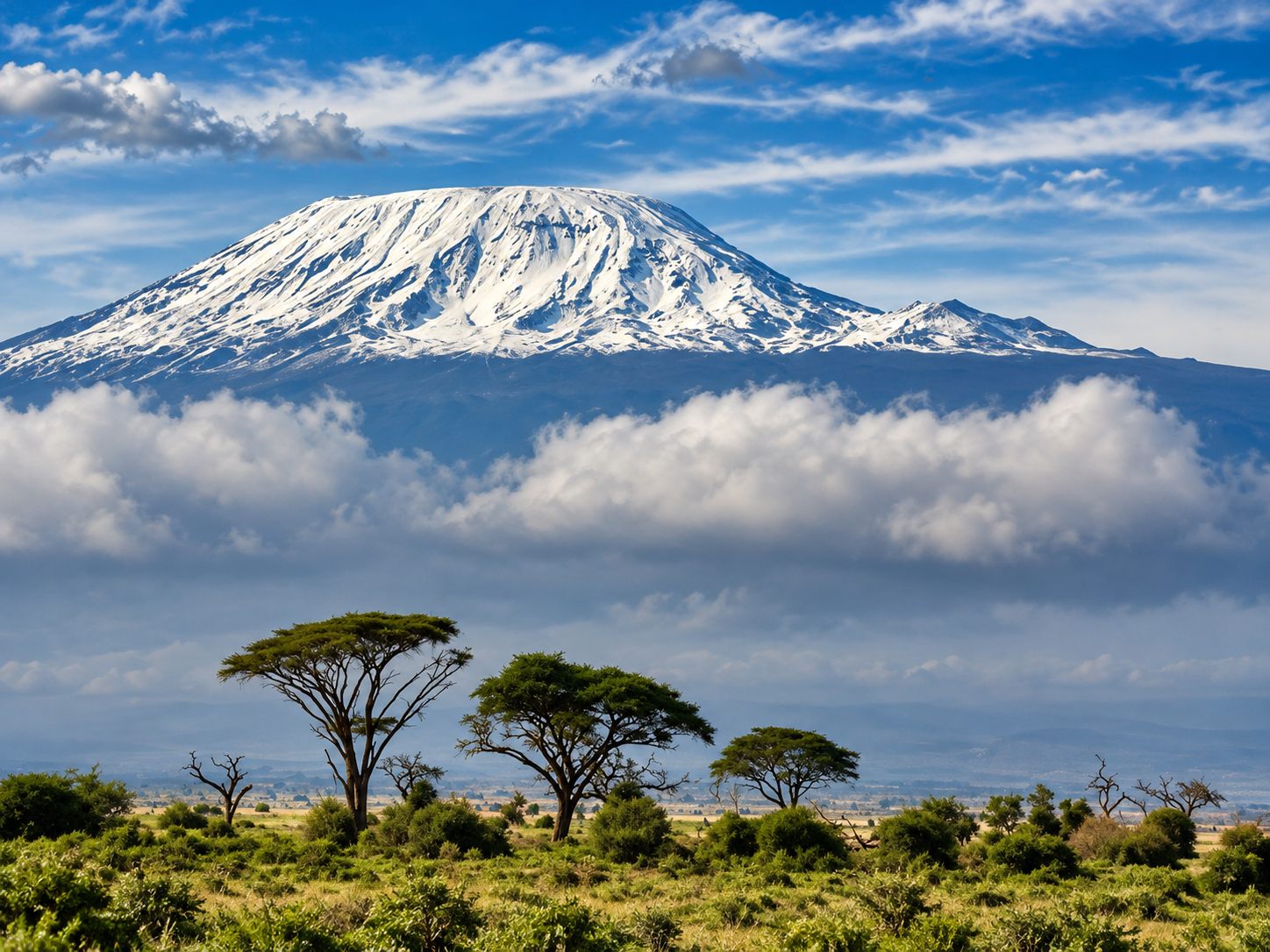
June marks the beginning of one of Kilimanjaro's main trekking seasons.
Rainfall decreases, trails generally become drier and visibility improves. The mountain can still be quite cold, particularly at night and during the summit attempt.
As the season progresses, conditions generally become more settled.
Best for:
Trekkers who want the beginning of the dry season and potentially quieter trails than the peak summer months.
July to September — The Classic Dry Season
July, August and September are among the most popular months to climb Kilimanjaro.
The weather is generally dry, skies are often clearer and conditions are favourable for long days of trekking. TANAPA specifically highlights June–October as a popular period when the skies are generally clear and the mountain is easily visible.
The trade-off is popularity. Trails and camps can be busier during this period, particularly in July and August.
Temperatures at the summit can also be extremely cold, so appropriate cold-weather equipment remains essential.
Best for:
Trekkers prioritizing generally dry weather and clear mountain views.
October — A Shoulder-Season Option
October can be an interesting month for trekkers who want to climb outside the busiest period.
The beginning of the month can still benefit from relatively dry conditions, while the short rains generally begin later in the season.
Weather can be more variable than during the core dry months, but this is also part of what makes mountain weather unpredictable.
Best for:
Trekkers looking for a shoulder-season climb with potentially quieter conditions.
November — The Short Rains
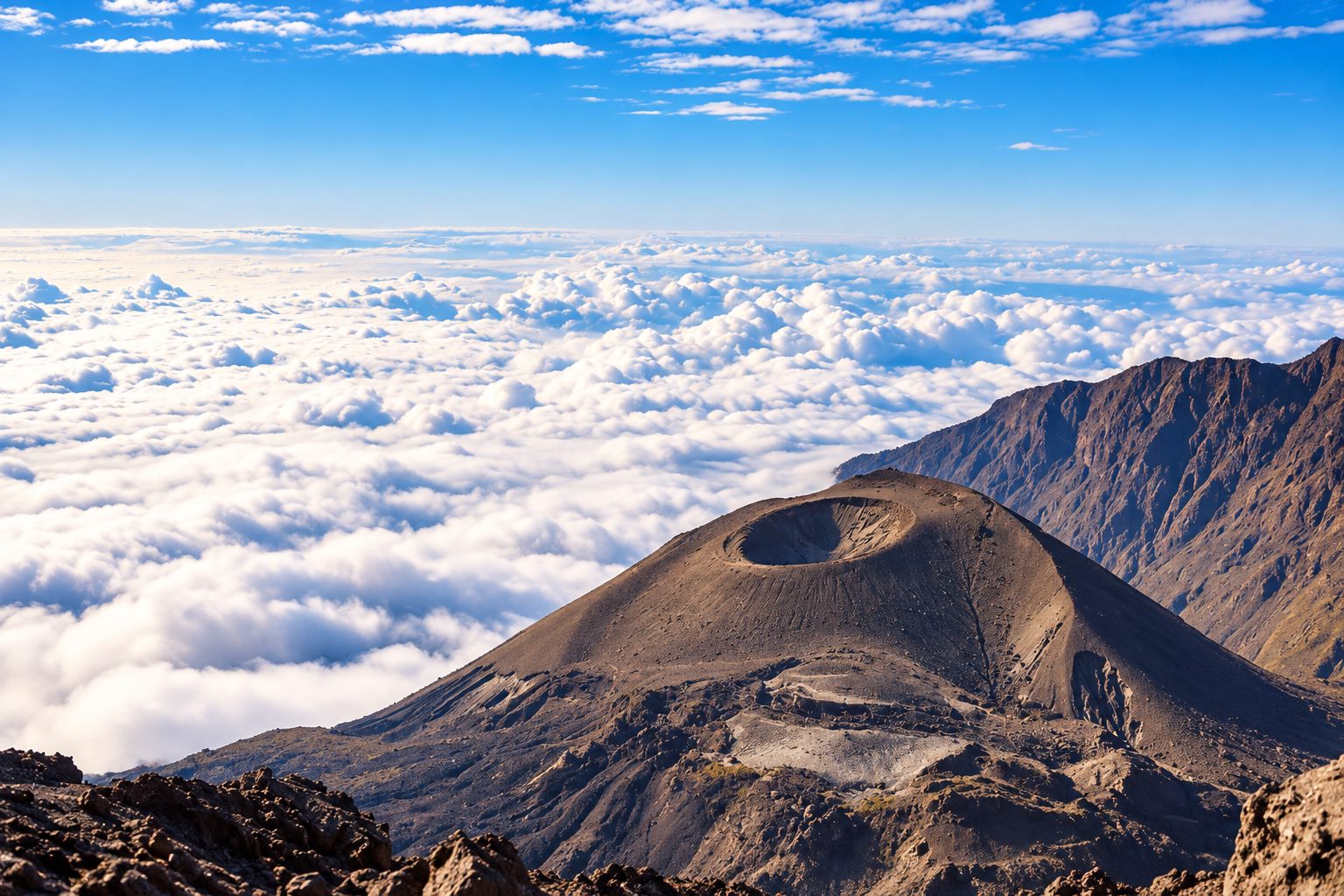
November marks the short rainy season on Kilimanjaro.
Rainfall can occur particularly on the lower slopes, while higher elevations can experience snow and cold conditions. The mountain may also be surrounded by clouds, reducing visibility.
For trekkers who don't mind changing weather, November can offer a quieter experience than the peak trekking periods.
Best for:
Flexible travellers who prefer quieter trails and are comfortable with a greater chance of rain.
Kilimanjaro Trekking Seasons at a Glance
| Period | Conditions | Crowds | What to Expect |
|---|---|---|---|
| January–February | Generally dry & clear | Moderate–High | Excellent trekking conditions |
| Early March | Generally favourable | Moderate | Transition toward rains |
| April–May | Wet | Lower | Heavy rain & more challenging conditions |
| June | Increasingly dry | Moderate | Start of the main dry season |
| July–September | Dry & generally clear | High | Classic peak trekking season |
| October | Generally dry → variable | Moderate | Shoulder season |
| November | Short rains | Lower | Wetter, quieter conditions |
| December | Generally dry | Moderate–High | Start of the second dry season |
Weather patterns vary from year to year, and conditions can change rapidly with altitude.
So, When Is the Best Time to Climb Kilimanjaro?
If your priority is generally dry weather and clear views, the main windows to consider are:
December to early MarchandJune to October.
But choosing your trekking dates isn't only about the weather.
Your route, itinerary length and acclimatization schedule are equally important. Kilimanjaro's altitude is the principal challenge, and TANAPA notes that longer climbs provide more time for the body to adapt to the increasing elevation.
A well-planned 7- or 8-day trek can therefore be a very different experience from trying to reach the summit on a shorter itinerary, even during the same season.
Which Month Should You Choose?
For the best chance of dry conditions:→ July to September
For a dry-season climb outside the peak summer months:→ January, February, June or October
For quieter trails:→ Consider the shoulder or rainy seasons, provided you are comfortable with more variable weather.
For the most important factor of all:→ Choose an itinerary that gives you enough time to acclimatize properly.
At Dastel Tour and Safaris, we help you choose not only when to climb, but also which route and itinerary make sense for your experience, schedule and trekking goals.
Your Kilimanjaro adventure starts with the right plan.
Tell us when you're travelling, and we'll help you build your route to the Roof of Africa.
Questions about your trek?
Talk to a real person on our team.
Email booking@dastelsafaris.com or call +255 724 211 714. We will help you choose the route, the season and the pace that suit you.